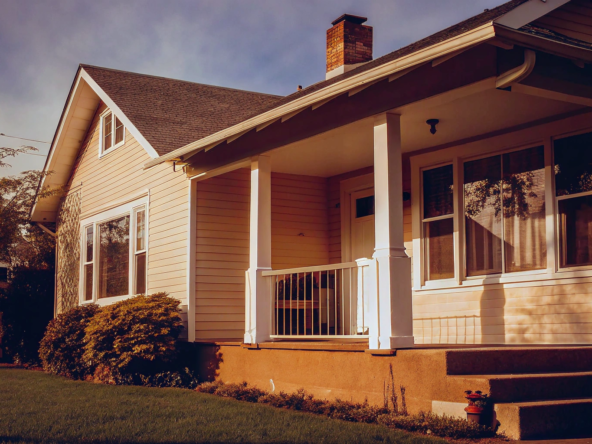

An inherited home often comes with a history that goes beyond family memories. It might have an outdated kitchen, a roof that needs attention, or other issues that come from years of deferred maintenance. Selling a property “as-is” on the traditional market can be tough, as many buyers want a move-in-ready home and struggle to get financing for a fixer-upper. This can leave you feeling stuck, wondering if anyone will be interested. The good news is, there’s a specific market for these homes. The central question is, who buys probate houses in their current condition? This article breaks down the buyers who see potential, not problems, and are ready to make a fair offer.
Key Takeaways
- Prepare for a court-managed sale: Selling an inherited property is a legal process, not a typical market transaction, which means a longer timeline and selling the home in its current “as-is” condition.
- Look for a buyer who understands probate: The right buyer will have cash ready, experience with homes needing repairs, and the patience for legal delays, preventing the sale from stalling.
- A direct cash offer provides the simplest path forward: Selling to a cash buyer eliminates the need for repairs, agent commissions, and financing approvals, allowing you to settle the estate with speed and certainty.
What is a Probate House?
When a homeowner passes away, their property doesn’t automatically transfer to their family. Instead, it often enters a court-supervised process called probate. A “probate house” is simply a home that is being sold through this legal procedure. Probate is designed to ensure the deceased person’s assets, including their real estate, are distributed correctly to heirs and that any outstanding debts are paid off.
If you’ve inherited a property, you might find yourself responsible for selling it as the estate’s executor or personal representative. This can feel overwhelming, especially when you’re also grieving. The process involves court filings, appraisals, and strict timelines that can make it very different from a standard home sale. Understanding how it works can help you feel more in control. For many in this situation, the goal is to handle the sale efficiently and fairly, allowing everyone involved to move forward.
How the Probate Process Works
The probate process is managed by the court, which means it moves much slower than a typical real estate transaction. While a standard home sale can close in a month or two, a probate sale can take anywhere from five months to several years to complete. This extended timeline is because the court must oversee every step, from officially appointing a representative to manage the estate to identifying all potential heirs and notifying creditors. Every action requires court approval, which adds significant delays. For families in Cook County, this can mean a long period of uncertainty and responsibility for a property they may not even live in.
Why a House Enters Probate
A house typically enters probate when there isn’t a clear legal plan, like a living trust, to avoid it. This happens for a few common reasons. The most frequent is when someone dies without a will, which is known as dying “intestate.” In this case, the court steps in to determine how the property should be divided according to state law. A house can also go into probate if there is a will, but it needs to be validated by the court or if its terms are challenged by a family member. Sometimes, even with a valid will, the estate’s representative must sell the house fast to pay off the deceased’s debts or to divide the value of the asset among the heirs.
Who Buys Probate Houses?
When you’re handling the sale of a probate house, it might feel like you’re facing a limited market. The good news is that several types of buyers are actively looking for properties just like yours. Each group has different motivations and processes, so understanding who they are can help you decide on the best path for your situation. From investors looking for their next project to companies that offer a quick cash sale, you have options. Let’s look at the main players in the probate real estate market.
Real Estate Investors
Real estate investors are always on the lookout for opportunities, and probate properties often catch their eye. Their primary goal is to purchase a home, usually at a price below market value, and turn it into a profitable venture. This could mean renovating the house to resell it at a higher price or fixing it up to use as a rental property. Because they are running a business, investors are very familiar with buying properties that need repairs. They see the potential in a home that others might overlook and are typically prepared to handle the necessary updates themselves. For a seller, this means you can often sell the home “as-is” without worrying about making improvements first.
Cash Home Buyers like Mulhen Buys Properties
Cash home buyers are companies that specialize in purchasing homes directly from sellers for cash. This is often the fastest and most straightforward route for selling a probate property. Unlike traditional buyers who rely on bank loans, a cash buyer has the funds ready, which eliminates the risk of financing falling through. Companies like ours focus on making the process simple. We assess your property and provide a fair cash offer, often within 24 hours. Our streamlined process allows you to sell your house “as-is,” meaning you don’t have to spend time or money on repairs, cleaning, or staging. For executors and families who want to settle an estate quickly and without hassle, a cash buyer is an ideal solution.
Individual Homebuyers
Sometimes, a regular homebuyer looking for a place to live will be interested in a probate property. The main draw for them is usually the potential to get a home for a lower price than other houses in the neighborhood. However, this path can come with more hurdles. Individual buyers often need to secure a mortgage, which involves appraisals and lender approvals that can slow things down. They may also be more cautious about the property’s condition and could request inspections and repairs before agreeing to close. While you can certainly sell to an individual, it often involves a longer, more traditional sales process that may not be suitable if you need to sell quickly.
House Flippers
House flippers are a specific type of real estate investor who focuses on short-term projects. Their strategy is to buy a home that needs significant work, renovate it quickly, and sell it for a profit in a matter of months. Like other investors, they are very interested in probate homes because these properties often need updating and can be purchased at a discount. Flippers are comfortable taking on major renovations, from kitchens and bathrooms to structural repairs. While they can offer a quick sale, it’s good to remember that their profit depends on buying low. This means they may negotiate aggressively on the price to ensure they have enough room in their budget for renovations and a healthy return.
Why Are Buyers Interested in Probate Homes?
If you’re managing an estate, you might wonder why certain buyers are specifically looking for probate properties. While the process can seem complicated from the inside, for many buyers, these homes represent a unique opportunity. They understand the legal steps involved and are prepared for the specific challenges that can come with an inherited property. For real estate investors, cash home buyers, and even some determined individuals, the potential benefits of a probate sale often outweigh the complexities, making these homes a sought-after part of the market.
Potential for a Lower Price
One of the biggest draws for probate home buyers is the chance to purchase a property for less than its market value. Because these homes are often sold “as-is” and may need significant repairs or updates, the price usually reflects that condition. Sellers, who are typically heirs or estate representatives, are often motivated to sell quickly to settle the estate and distribute assets. This urgency can lead to more flexibility on price. Buyers know that if they are patient with the court-supervised process, they might secure a home at a discount, which is why they are willing to handle the extra paperwork and potential delays.
Investment Opportunities
Many investors and cash home buying companies see probate houses as excellent investment opportunities. They have the resources and experience to look past outdated kitchens or overgrown yards and see the property’s underlying value. For these buyers, a home that needs work isn’t a burden—it’s a chance to add value. Companies that buy houses in Cook County specialize in these exact situations. They can make a quick cash offer, allowing you to bypass the need for costly repairs and renovations, which simplifies the process for the estate and provides a fast, straightforward sale.
Less Market Competition
The traditional real estate market can be incredibly competitive. However, probate sales often have a smaller pool of interested buyers. The legal requirements, court confirmation, and longer timelines can deter typical homebuyers who need to move in by a specific date. This reduced competition is a major advantage for experienced investors and cash buyers. They are prepared to handle the probate process and aren’t scared off by the extra steps. For you as a seller, this means you’ll be dealing with serious, knowledgeable buyers who are less likely to back out and are committed to seeing the sale through to the end.
Common Challenges for Probate Buyers
While probate homes can present a great opportunity, buyers often face a unique set of hurdles that don’t exist in a typical real estate transaction. For sellers, understanding these challenges can shed light on why a traditional sale might stall and why a cash offer can be a much smoother path forward. From legal red tape to the physical condition of the property, the process requires a buyer with patience, resources, and a clear understanding of what they’re getting into. Let’s look at the most common obstacles buyers encounter when trying to purchase a home from an estate.
Navigating Legal Complexities
The biggest difference with a probate sale is that the court is involved in every step. This isn’t a simple transaction between a buyer and a seller; it’s a legal process that must follow strict rules. The court needs to approve the sale, which involves notifying potential heirs and creditors and ensuring all paperwork is in perfect order. For a typical homebuyer, this legal maze can be overwhelming and intimidating. Buyers who aren’t familiar with probate can easily get lost in the requirements, leading to delays or even causing the deal to fall through. This is why many probate buyers are specialists who understand the legal steps and can work through them efficiently.
Dealing with “As-Is” Condition
Probate properties are almost always sold “as-is,” which means the estate won’t be making any repairs or updates. The home might have been neglected for years, requiring significant work on everything from the roof to the foundation. This can be a major roadblock for traditional buyers who rely on mortgage financing, as lenders often have strict requirements about a home’s condition. A property that needs extensive repairs may not qualify for a conventional loan at all. Our cash buying process offers a clear advantage here, as we purchase homes in any condition, removing the burden of repairs from the estate.
Managing a Longer Timeline
Patience is a virtue, but it’s a requirement for anyone buying a probate house through traditional channels. The court approval process alone can add months, or in complex cases, even years to the timeline. This is a stark contrast to a standard 30- to 60-day closing. For a buyer who needs to move by a specific date, this open-ended timeline is often a deal-breaker. The uncertainty makes it difficult to plan a move, sell their own home, or lock in a mortgage rate. This is why buyers who can offer a quick, guaranteed closing are so valuable in a probate situation, especially for sellers who want to sell their house fast in Chicago.
Misconceptions About Buying Probate
Many buyers are drawn to probate sales by the idea that they’re guaranteed to get a home for a rock-bottom price. While it’s true that some probate homes sell for below market value, it’s not a given. The final price heavily depends on the property’s condition and the cost of necessary repairs. An experienced buyer knows they need to accurately assess the home’s true value and factor in a realistic renovation budget. A home that looks like a bargain on paper can quickly become a money pit. This is why a fair cash offer from an experienced buyer often reflects the true “as-is” value, providing a realistic and reliable path to closing.
What Makes a Successful Probate Buyer?
Not every homebuyer is equipped to purchase a probate property. The process comes with its own set of rules and a unique timeline that can deter typical buyers. A successful probate buyer stands out because they possess a specific combination of resources, patience, and expertise. For you as the seller, finding a buyer with these qualities is the key to a smooth and predictable sale. They understand the landscape and are prepared for the journey, which means fewer surprises and less stress for you and the estate.
Access to Cash for a Quick Purchase
One of the biggest hurdles in any home sale is buyer financing. In a probate sale, adding a mortgage contingency creates uncertainty. A successful probate buyer often has direct access to cash to make the purchase outright. This eliminates the risk of a loan falling through and provides certainty to the estate. Cash buyers can move quickly once the court gives the green light, which is especially helpful when selling a property “as-is,” as lenders can be hesitant to finance homes that need work.
Patience for the Probate Process
Probate sales don’t happen overnight. The process is supervised by the court to ensure all legal requirements are met, which can take months. A successful probate buyer understands and respects this timeline. They won’t pressure you to speed up a process that is largely out of your control. Instead, they demonstrate a willingness to work within the court’s schedule. This quality is crucial in places like Cook County, where the legal system has its own pace, and a patient buyer provides peace of mind.
Experience with Home Repairs
Probate properties are almost always sold in their current, “as-is” condition. This often means the home may be dated or in need of significant repairs, which can scare away many traditional buyers. A strong probate buyer, however, sees potential where others see problems. They have experience evaluating a home’s condition and accurately estimating repair costs. They aren’t intimidated by the work required, which means they can make a confident offer without demanding that you fix anything before closing.
Knowledge of Legal Steps
Selling a house in probate involves a distinct set of legal steps and requires court approval. An ideal buyer has experience with these types of transactions. They understand the roles of the estate administrator, the attorney, and the court. This knowledge helps the process move forward efficiently because they know what to expect and how to cooperate with the legal requirements. When you sell your house in Chicago, working with a buyer who is familiar with Illinois probate law prevents unnecessary delays and ensures everything is handled correctly.
How Buyers Negotiate Probate House Prices
When a buyer makes an offer on a probate house, their negotiation strategy is a little different from a typical home sale. They aren’t just looking at curb appeal; they’re carefully calculating the property’s current market value, the timeline of the probate process, and the potential costs hidden within the home. Understanding how they approach this helps you prepare for the offers you’ll receive. Buyers know that probate sales come with unique circumstances, and their offers will reflect a balance of opportunity and risk. They come to the table prepared with research and a clear idea of what the property is worth to them.
Researching Similar Home Sales
The first thing any serious buyer will do is research comparable home sales in the area. They look at what similar properties in your neighborhood have sold for recently to establish a fair market value. This step is especially important for probate homes, which may not have been updated or sold in decades. A buyer will analyze the size, condition, and location of your house against others to create a solid baseline for their offer. Companies that regularly purchase homes in Cook County are particularly skilled at this, as they have a deep understanding of local market trends and can quickly determine an accurate value.
Accounting for Repair Costs
Probate homes are almost always sold “as-is,” which means the buyer is responsible for any and all repairs. A potential buyer will walk through the property and create a mental (or literal) list of necessary fixes, from leaky faucets and outdated electrical systems to major projects like a new roof or foundation work. They will estimate the cost of these repairs and subtract that amount from the home’s market value to arrive at their offer price. This is why selling to a cash buyer can be so straightforward; they expect the need for repairs and have the resources to handle them, which is all factored into our simple process.
Working with Experienced Agents
Some traditional buyers may hire a real estate agent who specializes in probate sales. These agents are familiar with the legal paperwork and court confirmation requirements, which can help a conventional sale go more smoothly. However, this also introduces another person into the negotiation process. For sellers, working directly with an experienced home buyer can often be a simpler path. When you sell directly to a company like ours, you bypass the need for agents and their commissions entirely. You’re dealing with a team that has managed countless probate sales and understands exactly what’s needed to close the deal efficiently.
Offering a Flexible Closing Timeline
Patience and flexibility are key for anyone buying a probate property. A smart buyer knows the court process can cause delays, so they often come to the table with a flexible closing timeline. They can wait for court approval if needed. On the other hand, if the estate needs to liquidate the property quickly, the best buyers can move fast. This is where cash buyers have a distinct advantage. Companies that buy houses for cash can close in as little as seven days once the legal requirements are met. This speed provides certainty and relief for executors who want to settle the estate without unnecessary delays.
The Advantage of a Cash Buyer in Probate
Once you’ve managed the legal side of probate, selling the house is the next major step. For many families, this part can feel just as overwhelming. Traditional home sales involve repairs, staging, showings, and waiting for a buyer to secure financing—all of which adds time and stress to an already difficult period. This is where working with a cash home buyer can make a significant difference. A cash buyer offers a straightforward path forward, specifically designed to simplify the process for those settling an estate. Instead of juggling contractors and real estate agents, you can work with one party who can handle the sale quickly and efficiently, letting you focus on what matters most.
The primary benefit is a clear, predictable timeline without the usual hurdles of a conventional sale. For executors and heirs who may live out of state or simply lack the resources to manage a property, this streamlined approach provides much-needed relief. It removes the uncertainty of the open market and replaces it with a guaranteed sale, allowing the estate to be settled faster. It’s about providing a solution that respects your situation by being as simple and direct as possible, so you can close this chapter with confidence and peace of mind.
Ability to Close in as Little as 7 Days
One of the biggest challenges in a traditional home sale is the unpredictable timeline. Buyers often need to secure a mortgage, a process that involves appraisals, underwriting, and can easily fall through at the last minute. A cash buyer eliminates this uncertainty. Because we use our own funds, there’s no need to wait for bank approval. This allows for an incredibly fast closing. Once you accept the offer, the sale can be finalized in as little as a week. This speed is a huge advantage when you need to liquidate assets to pay off estate debts or distribute inheritance to heirs without delay. Our entire process is built for this kind of efficiency.
No Need for Repairs or Inspections
Probate properties are often sold “as-is” because the heirs may not have the time, funds, or emotional energy to handle renovations. Many homes have deferred maintenance or outdated features that would deter typical homebuyers. A cash buyer sees potential where others see problems. We specialize in purchasing homes in their current condition, meaning you don’t have to worry about fixing a leaky roof, updating the kitchen, or even clearing out the property. As experienced Cook County house buyers, we factor any necessary repairs into our offer, saving you the headache and expense of managing contractors and projects. You can simply walk away without lifting a finger.
A Simpler, Commission-Free Process
Selling a home the traditional way involves a lot of moving parts: finding a real estate agent, staging the home, scheduling showings, and negotiating with potential buyers. It’s a demanding process that also comes with hefty agent commissions—typically 5-6% of the final sale price. When you sell your house fast in Chicago to a cash buyer like us, the experience is much simpler. You receive a direct, no-obligation offer. There are no showings to prepare for, no back-and-forth negotiations with multiple parties, and absolutely no commissions or hidden fees. The price we offer is the amount you receive, making the financial outcome clear and predictable from the start.
Where Buyers Find Probate Houses
Buyers interested in probate homes have several avenues for finding these properties. They don’t just stumble upon them; they actively seek them out using specific strategies. Understanding where and how they look can give you, the seller, a clearer picture of the process and the types of buyers you might encounter. From professional networks to public records, buyers use a mix of traditional and modern methods to identify potential probate sales across Illinois.
Working with Specialized Real Estate Agents
Many buyers partner with real estate agents who specialize in probate and estate sales. These agents have a deep understanding of the legal timelines and paperwork involved, making them a valuable resource. An expert agent can help a buyer understand a property’s true value and navigate the purchase. While this is a common route, it’s different from a direct sale. Our process at Mulhen Buys Properties, for example, allows you to sell directly to us without agent commissions or lengthy negotiations, simplifying the experience for you.
Searching Public Court Records
Determined buyers, especially investors, often go directly to the source: public court records. When a property enters probate, the proceedings become part of the public record, which can be accessed at the local county courthouse. This is often necessary when someone passes away without a will or trust. By monitoring these filings in places like Cook County, buyers can identify properties as soon as they enter the probate process. This direct approach allows them to contact the estate’s executor or personal representative early on to express their interest.
Networking with Estate Attorneys
Another key strategy for serious buyers is building relationships with estate and probate attorneys. These legal professionals are central to the probate process. They guide the executor or personal representative, who is responsible for managing the deceased’s assets, including selling the property. Buyers who network with attorneys can learn about homes that will be coming onto the market before they are widely advertised. This gives them a head start in making a competitive offer and positioning themselves as a reliable solution for the estate during a complicated time.
Using Online Property Databases
In addition to traditional methods, buyers use various online property databases and listing services to find probate homes. Some websites specialize in distressed properties, which can include probate sales. Once probate is complete, many sellers need to sell their house fast, and cash home buyers are often the ideal solution for “as-is” properties. These buyers use online tools to find sellers who are ready for a quick, straightforward closing without the hassle of repairs or showings, offering a convenient path forward.
Related Articles
- Probate Real Estate Sale Process: A 7-Step Guide
- How to Sell a House in Probate: The Ultimate Guide
- Sell Probate Property: A Step-by-Step Guide
- Can a House in Probate Be Sold? A Complete Guide
Frequently Asked Questions
Do I have to make repairs or clean out the house before selling it? Absolutely not. This is one of the biggest sources of stress for families, and we make sure you don’t have to deal with it. You can sell the property completely “as-is.” That means you don’t need to fix the roof, update the plumbing, or even clear out personal belongings. We handle all of that after the sale, allowing you to focus on settling the estate without the burden of managing a property.
How is the offer price for a probate house determined? Our offer is based on a clear and simple evaluation. We look at the current market value of the home if it were fully updated and then subtract the estimated costs for any necessary repairs and renovations. This allows us to present a fair cash offer that reflects the property’s true “as-is” condition. Our goal is to provide a transparent price that makes sense for the estate and allows for a quick, straightforward sale.
Is the process different if I sell to a cash buyer instead of a traditional homebuyer? Yes, the process is significantly simpler and more direct. A traditional sale involves waiting for a buyer to get approved for a mortgage, which can lead to delays or even fall through. With a cash buyer, there are no financing contingencies or lender-required appraisals. We use our own funds, which means we can provide a certain and predictable closing on a timeline that works for the estate.
How long will it take to sell my probate house to a cash buyer? While the court’s probate process has its own required timeline, the actual sale of the property can happen very quickly. Once the estate has the legal authority to sell the house, we can close in as little as seven days. This speed provides certainty and helps you liquidate the asset efficiently so you can settle debts and distribute funds to the heirs without unnecessary waiting.
What if there are multiple heirs who need to agree on the sale? This is a very common situation, and a straightforward cash offer can often help simplify the decision-making process. A clear, fair offer without the complications of repair negotiations or agent commissions gives everyone a solid number to work with. It provides a simple path forward that all parties can easily understand and agree upon, helping to prevent disagreements and move the estate toward a resolution.